
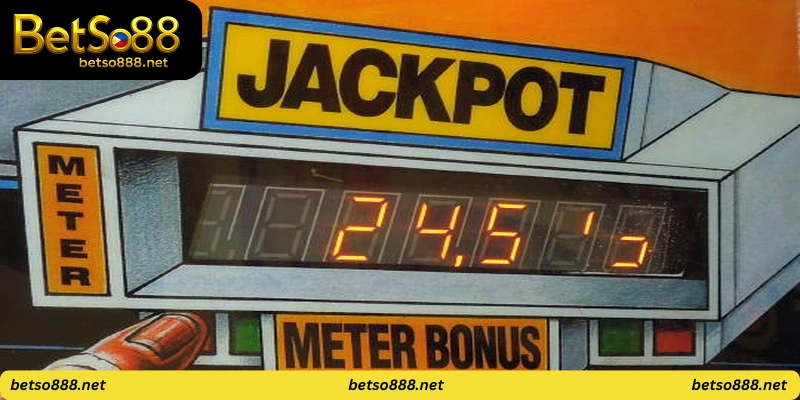
The jackpot meter is a dynamic display in modern casinos, both online and land-based, that shows the current value of progressive jackpots. Unlike fixed jackpots, these meters increase with each wager placed, creating an evolving prize pool that attracts players seeking high-stake excitement. Understanding how the jackpot meter functions is crucial for informed betting and risk management.
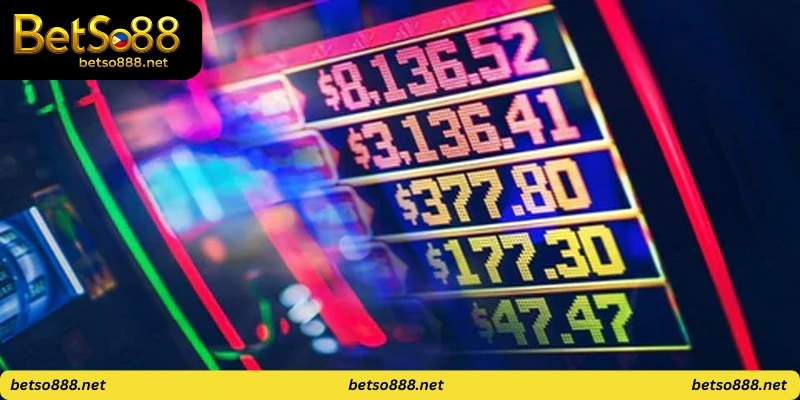
How a Jackpot Meter Works
A jackpot meter is linked to a series of games or a single progressive machine. Each bet contributes a small percentage to the total jackpot. The meter continuously updates, giving players a visual representation of the potential prize. For example, if a slot game contributes 2% of each wager to the jackpot, the meter climbs steadily, encouraging strategic play without misleading promises of guaranteed wins.
Factors Affecting Jackpot Meter Growth
Several factors influence how quickly a jackpot meter grows:
- Number of active players on linked machines
- Average bet size
- Contribution percentage of wagers to the jackpot
- Frequency of jackpot hits
Comparing Jackpot Meter Types
| Type | Contribution Rate | Frequency | Maximum Potential |
|---|---|---|---|
| Local Progressive | 1-2% | Lower | Moderate |
| Wide Area Progressive | 2-5% | Less frequent | High |
| Linked Online Slots | 1-3% | Variable | Very High |
Strategies for Using
Players often attempt to optimize their approach to the jackpot meter. While no strategy guarantees a win, certain techniques enhance responsible play:
- Track jackpot growth trends to decide when to engage.
- Set a personal wagering limit to avoid chasing losses.
- Focus on machines with higher contribution rates if budget allows.
- Play within a bankroll that allows multiple sessions without financial stress.
Common Myths
There are several misconceptions about jackpot meters:

- The jackpot is “due” after a long time – in reality, each spin is independent.
- High meter values guarantee a win – it only reflects accumulated contributions.
- Smaller bets are ineffective – all wagers contribute proportionally to the jackpot.
FAQs
1. What is the difference between a fixed and progressive jackpot?
A fixed jackpot offers a set prize, while a progressive jackpot grows based on wagers and is displayed on a jackpot meter.
2. Can I predict when a jackpot will hit?
No, progressive jackpots are random. The meter shows growth but does not indicate timing.
3. Are jackpot only found in slots?
While common in slots, jackpot can also appear in table games, video poker, and online networks.
4. Do all wagers contribute equally to the meter?
No, contribution rates vary by game and platform. Check game rules for exact percentages.
5. How can I play responsibly with a jackpot?
Set limits, track time and spending, and never bet beyond what you can afford to lose.
6. Does higher meter value mean higher chances?
Not at all. Each spin or bet is independent; the meter only shows the accumulated prize.
7. Can multiple machines share the same jackpot?
Yes, wide-area progressive networks link multiple machines, increasing the meter faster.
8. Is it legal to play jackpot online?
It depends on local gambling regulations. Always verify licensed operators like Betso88.
9. Are jackpot influenced by player behavior?
Only indirectly; more wagers increase the meter but do not affect individual winning odds.
10. Should I chase a high jackpot value?
No. Chasing large jackpots often leads to overspending. Responsible strategies focus on bankroll management.
Conclusion
The jackpot meter is a fascinating feature that enhances the excitement of casino games. Understanding its mechanics, growth factors, and responsible use ensures players enjoy the experience without undue risk. While the potential rewards are enticing, prudent bankroll management, awareness of contribution rates, and attention to trends are essential. Whether playing online or at a land-based casino, treating the jackpot as a fun element rather than a guaranteed profit tool is key to a safe and enjoyable gambling experience.





